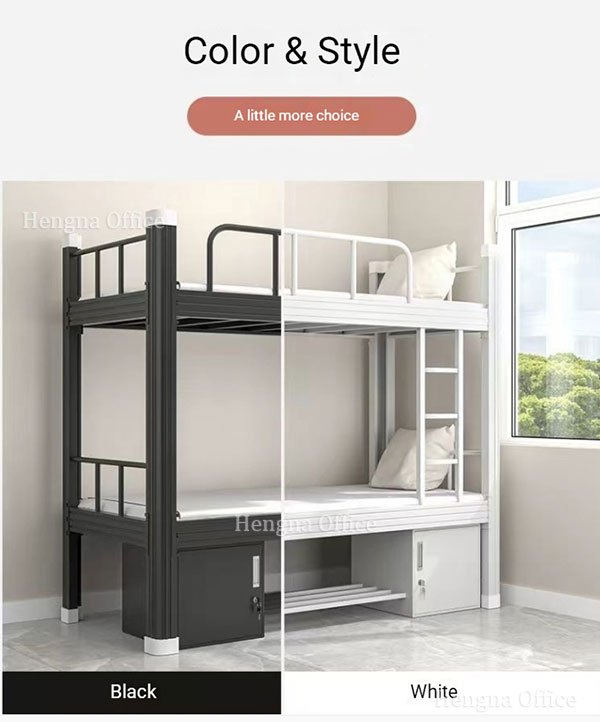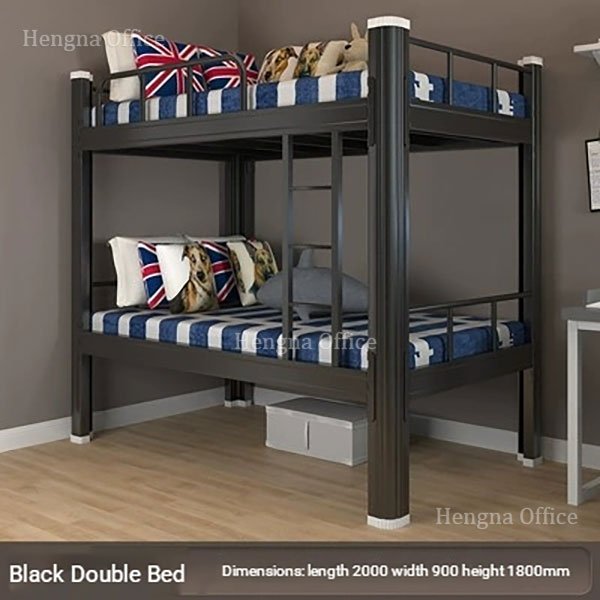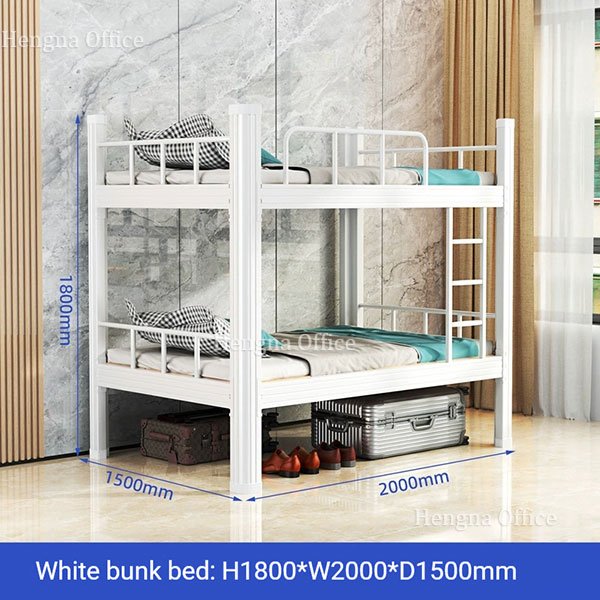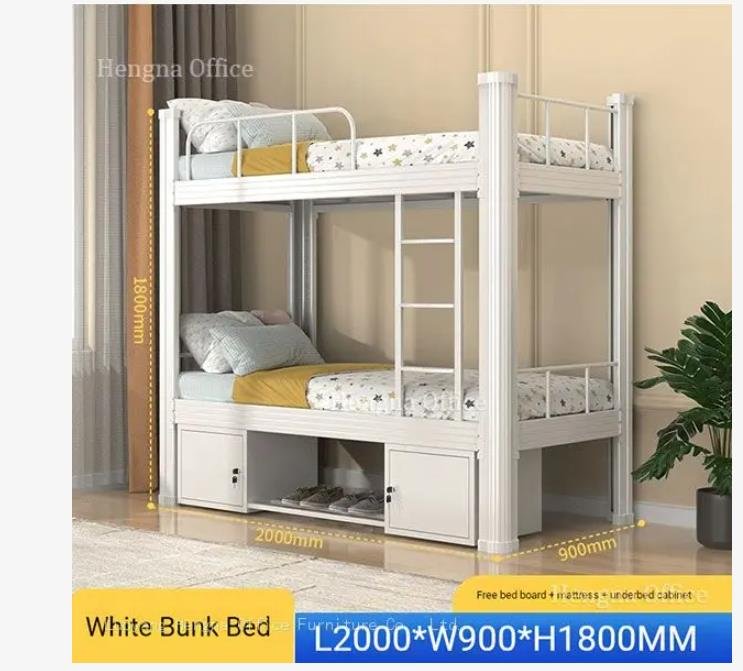
I. Addressing Labor Camp Bedding Challenges: Steel Beds Provide the Perfect Solution
Steel Bunk Beds for Labor Camps:
- High-Frequency Use: Workers labor over 12 hours daily, relying solely on these beds for rest—they must withstand constant wear and tear.
- Humid Environments: Near rivers or during rainy seasons, bed frames rust easily.
- Rapid Deployment: New sites require swift bed assembly for immediate worker occupancy.
Wooden beds? They’d soon “break down”: swelling from moisture, insect damage, or loosening frames—leaving workers anxious for safety. Steel bunk beds, however, act like “steel warriors,” precisely addressing these pain points:
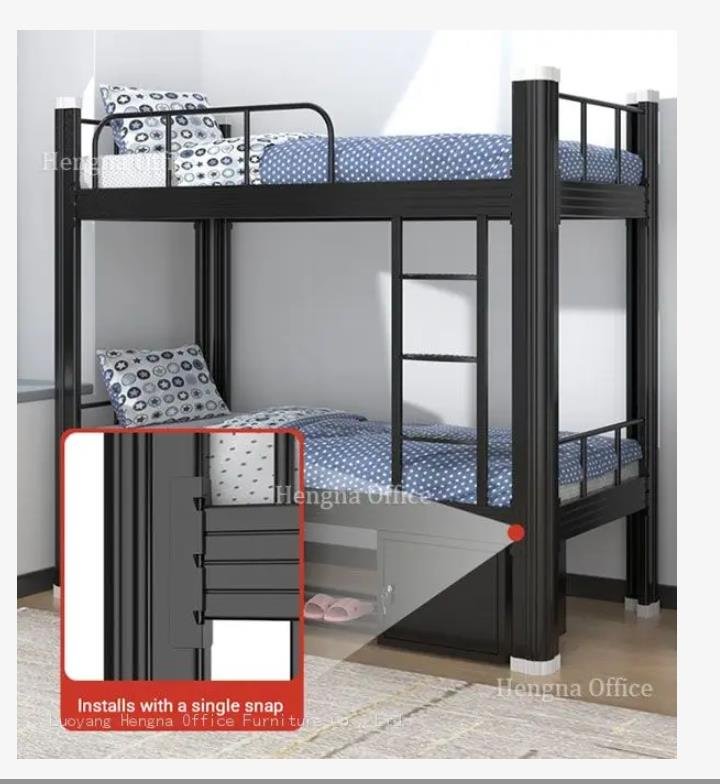
- As sturdy as steel skeletons, they withstand heavy loads;
- Resistant to rust in humid environments, staying stable even during rainy seasons;
- Assembly is like “building with blocks”—workers can assemble them themselves without needing a professional.
II. Advantages of Steel Bunk Beds for Labor Camps
1. Durability: Rust-free for 10 years, built to withstand rough use
The steel bed frame is made of cold-rolled steel with a protective coating—first degreased and derusted, then sprayed with a thick layer of plastic powder, effectively “dressing the steel in an anti-rust jacket.”
- 300-hour salt spray test: Equivalent to 10 years in humid conditions without rust or deformation.
- Compared to wooden beds: Wooden beds loosen after one year, while steel beds remain like new after five years.
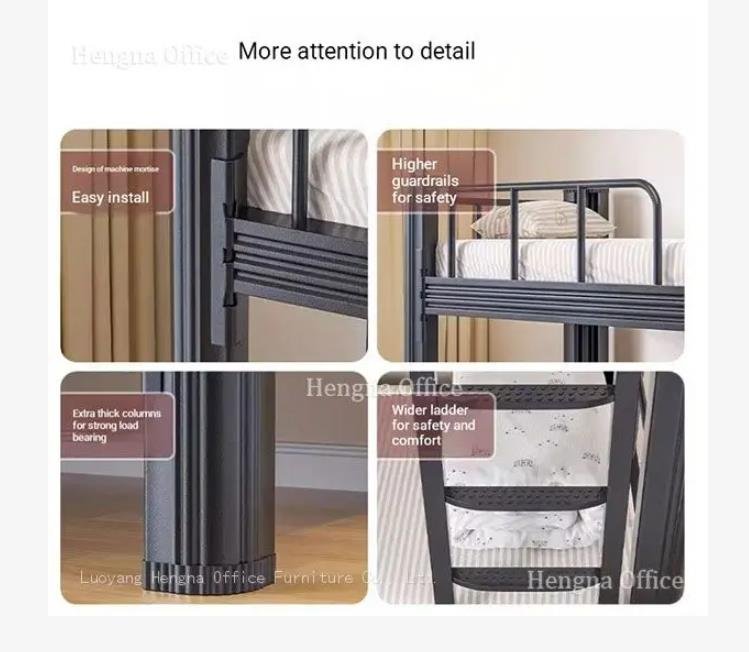
2. Safety Steel Bunk Beds for Labor Camps: Detailed Design Eliminates Hazards
Safety is paramount for beds in labor camps. Steel beds’ “safety details” ensure workers sleep soundly:
- Guardrails: 255mm high, acting as a “safety barrier” to prevent falls during sleep; workers climbing ladders at night to retrieve items won’t tumble off the bed.
- Ladder: Steps feature anti-slip grooves, like “shoe treads,” preventing slips during ascent; workers can climb steadily even in slippers.
- Connection Method: Screw-free assembly, like a “mortise-and-tenon joint,” ensures the bed frame remains stable and can withstand adult weight.
3. Steel Bunk Beds: Green and Safe
The materials used in steel beds provide greater peace of mind for labor camps:
- Steel is recyclable, and ABS plastic components are non-toxic, meeting green camp requirements.
- Compared to wooden beds: Wooden beds from illegal logging pose environmental risks, while steel beds offer more controllable sustainability. An eco-certified labor camp chose our steel beds because “steel recycles without burdening the planet.”
4. Maintenance Costs: Wipe Clean, Save Thousands Annually
In commercial operations, maintenance costs directly impact profits. The “low-maintenance” nature of steel beds puts a smile on managers’ faces:
- Metal surfaces wipe clean with a damp cloth—no painting or pest control needed.
- Cost comparison: Wooden beds require regular waxing and part replacements, while steel beds cost only one-third as much to maintain. For example, a 100-person labor camp spends ¥2,000 annually on wooden bed maintenance versus ¥500 for steel beds—saving ¥5,000 over five years, enough to buy workers a new set of tools.
III. Bulk Purchasing? Key Considerations for Peace of Mind
When procuring beds for labor camps, bulk purchases require attention to “transportation, installation, and inspection.” Steel beds’ “standardization” simplifies these processes:
- Cost-saving transportation: Flat-packed like “assembly toys,” 100 beds fit into one shipping container, maximizing cargo capacity and reducing logistics costs by 30%.
- Labor savings in assembly: No screws required—workers can assemble them themselves. Following the manual, one bed takes 30 minutes to assemble, completing the job in half a day and saving 2,000 yuan compared to hiring an installation team.
- What to check during inspection: Look for rust, stable connections, and sturdy bed slats—these “visually verifiable” details are more reliable than technical specifications.
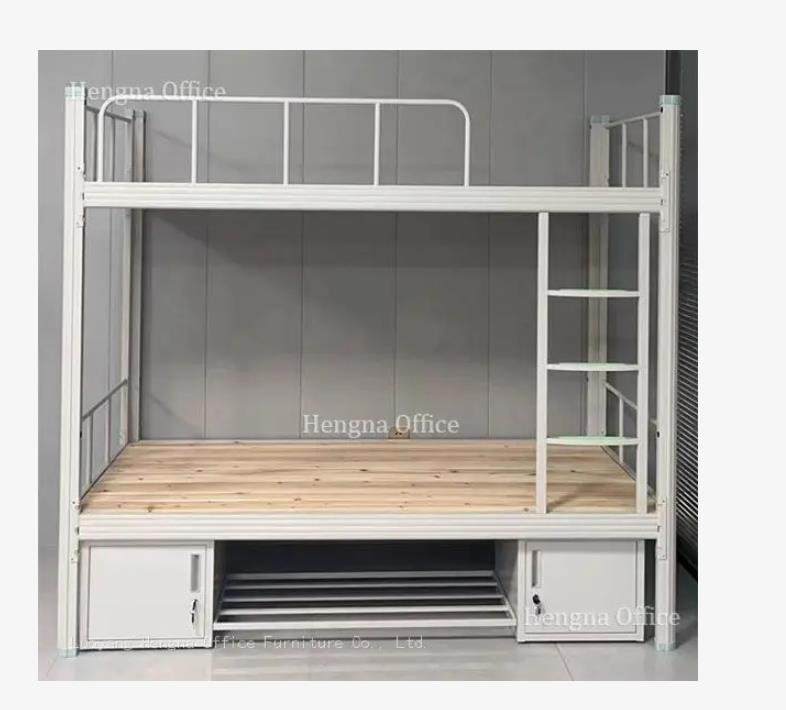
IV. Steel Bunk Beds: Versatile Applications
The steel bed’s rugged durability makes it suitable for diverse commercial settings:
- Construction Site Dormitories: Workers store tools on beds without damage.
- Disaster Relief Tents: Rapid assembly for temporary housing—during last year’s Henan floods, relief tents used steel beds, with workers remarking, “These beds feel sturdier than our home beds.”
- Factory dormitories: Standardized management and easy maintenance. For instance, at an electronics factory, after switching to steel beds, the dormitory manager remarked, “Just wipe it down and it’s clean—no need to hire cleaners.”
V. Conclusion
Choosing steel beds means choosing “peace of mind, cost savings, and safety.” For labor camps, the durability, safety, and bulk purchase advantages of steel bunk beds significantly enhance operational efficiency and reduce long-term costs. Choosing them means selecting a solution that “lets workers sleep soundly and management worry-free.”
Steel beds aren’t “expensive”—they’re “worth it.” One use reveals their true value. When workers can rest securely on sturdy beds after a long day, that’s the greatest benefit of steel beds.