The Shelter Problem in Emergency Response
Natural disasters like earthquakes, floods, and typhoons create the same immediate need: where do people sleep? Setting up temporary shelter is one of the first tasks for any emergency team, but traditional solutions come with a long list of problems.
Traditional shelter bedding takes too long to set up. In a disaster, every hour counts. Some beds need professional tools and multiple people to assemble. Others are too heavy to move around. Many lack basic safety features like guardrails, which creates real risks in crowded shelters where children, elderly, and injured people are sleeping.
Transport is another headache. Conventional beds are bulky. One truck can only carry a limited number. That means more trips, more fuel, more time. When roads are damaged or blocked, every truckload matters.
Safety is often an afterthought. Low guardrails, slippery ladders, unstable frames — these are common problems in budget emergency bedding. In a shelter full of exhausted, disoriented people, those small flaws become real dangers.
Maintenance costs add up fast. Wooden frames warp in damp conditions. Paint peels. Bolts loosen. Before you know it, you are replacing beds that should have lasted years.
Our quick-deploy steel bunk beds were designed specifically to solve these problems. Not as a theoretical exercise, but based on feedback from actual disaster response teams who told us what they needed.
Quick-Deploy Steel Bunk Beds for Emergency Response|15-Minute Setup, No Tools Required
The biggest advantage is speed. Our beds unfold and lock into place in 15 minutes. One person does the whole job. No tools needed. No special skills.
Traditional bunk beds take 2 to 4 hours per unit. That is eight to sixteen times longer. When you are setting up a shelter for 500 people, that time gap is enormous. With traditional beds, you might get 20 units done in a day with a full team. With these, you can do 40 units in a morning with half the people.
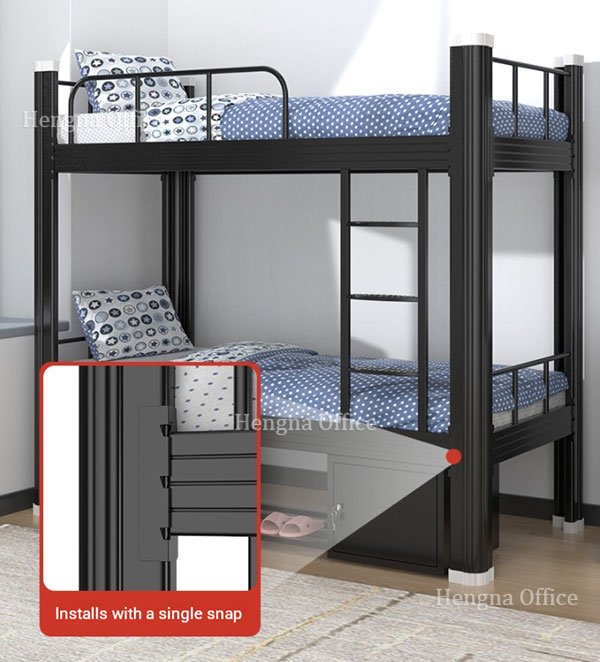
The assembly system is designed to be foolproof. The frame sections slide together and lock with an audible click. Support bars drop into pre-marked slots. The ladder snaps onto brackets that are already welded in place. Guardrails come pre-attached to the top bunk frame. There is no step that requires reading instructions or matching parts.
We tested this with volunteers who had never seen the bed before. Average assembly time for first-timers: 17 minutes. After the second attempt: 14 minutes. That is the kind of speed that saves hours across a full shelter deployment.
Portability Built for Real Conditions
Each bed weighs 35kg. That is light enough for one person to carry, heavy enough to stay solid once assembled. We chose steel over aluminum because steel holds up better under repeated use and rough handling.
Folded flat, each bed takes up 70 percent less space than a standard assembled bunk. A 20-foot shipping container holds about 60 units. The same container would hold roughly 20 traditional bunks. That is three times the capacity for the same shipping cost.
The folded dimensions are 900mm by 450mm by 150mm. The units stack evenly with no awkward overhangs. You can pack a truck bed to full density without wasted gaps. Each unit is secured with reusable straps, so there is no disposable packaging to deal with at the destination.
The weight is balanced, so one person can carry a folded bed without help. No awkward angles, no two-person carry needed. Just pick it up and move it.
Safety Guardrails and Fall Prevention
Top bunk guardrails are 45cm high. That is enough to prevent a sleeping adult from rolling off, even during restless sleep. It is higher than what most budget bunks offer, but not so high that getting in and out becomes difficult.
The guardrails run the full length of the bed. No gaps at the head or foot. The bars are spaced 10cm apart — close enough that a child cannot squeeze through, wide enough to feel open and not claustrophobic.
Ladder treads are textured for grip. In a disaster shelter, people climb into bed with wet feet, muddy shoes, or bare soles. A smooth ladder is dangerous. Ours has wide, textured steps with a shallow 30-degree angle that is easier and safer to climb than standard steep ladders.
Load capacity: bottom bunk 200kg, top bunk 150kg. These are tested limits, not estimates. The frame is over-engineered by 50 percent beyond the rated load, so there is real safety margin. All critical joints are welded, not bolted. Welded joints do not loosen over time. Bolted joints do, especially when beds are repeatedly assembled, disassembled, and transported.
Fire-retardant powder coating meets B1 standard. In a crowded shelter with limited exits, this is not optional.
All corners are rounded, no sharp edges. Even hardware is recessed or covered so nobody cuts themselves on a bolt or bracket.
Real Case: Earthquake Relief
A 7.2 magnitude earthquake hit a mountainous region. Local and international teams needed to shelter 3,000 displaced people. Roads were damaged. Aftershocks continued.
Teams set up 500 of our bunk beds in 6 hours. With traditional beds, that would have taken at least 24 hours. The crews used local volunteers who had never assembled the beds before. Brief training took less than 5 minutes per person.
Results from the field report: zero bed-related injuries in the first 72 hours. No falls. No structural issues. No complaints about stability.
Beds were set up in tents, school gyms, and warehouses. Some sat on uneven ground. The adjustable feet on each leg allowed volunteers to level any bed on any surface — concrete, dirt, gravel, or tile.
After the emergency phase, the beds were disassembled and moved to a longer-term shelter. Disassembly took about 10 minutes per unit. No parts were lost because all components stay attached when folded. Nothing to misplace.
Real Case: Flood Relief
Severe flooding displaced 5,000 people. Relief crews set up 1,000 beds in 8 hours. Traditional methods would have taken three full days.
The elevated steel frame kept beds dry on wet ground. After three weeks in humid conditions, no rust appeared. The powder coating held up completely.
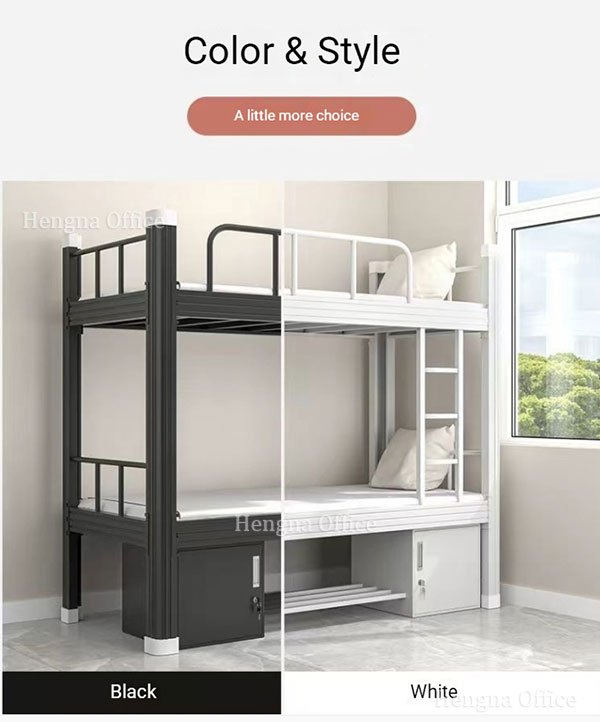
One unexpected benefit: because the beds sit on raised legs, workers stored personal belongings and supplies underneath each bunk. That effectively doubled the usable storage space in the shelter without increasing the footprint. In a crowded shelter, that extra storage made a real difference in livability.
The beds were pressure-washed and disinfected between uses during the prolonged deployment. The steel frame and sealed coating handled repeated cleaning without any degradation. Wood frames would have warped. Uncoated steel would have rusted. These beds came through clean and ready for the next shift of occupants.
Cost and Long-Term Value
Transport costs drop 60 percent because you fit more beds per truck. This is based on actual shipping data from multiple relief operations.
Setup labor drops 80 percent. One person does the work of five. In a disaster zone, labor is the scarcest resource. Freeing up four people per bed assembly means they can do other critical tasks.
Maintenance costs drop 70 percent. Steel does not warp, split, or absorb moisture like wood. Welded frames do not loosen like bolted frames. Powder coating does not peel or chip under normal use.
Service life is 5-plus years of repeated deployments. Some units in the field have been deployed more than 20 times over four years and are still in service. Compare that to cheap folding cots that last one or two deployments before the fabric tears or the frame bends. The upfront cost is higher, but the total cost of ownership over five years is significantly lower.

Technical Specifications
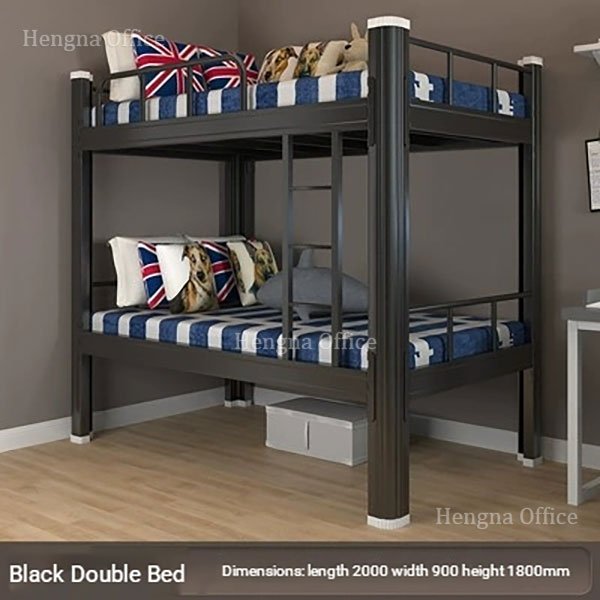
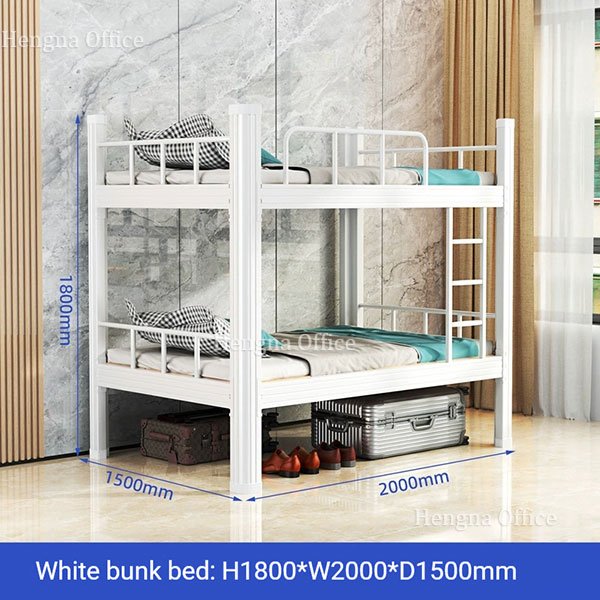
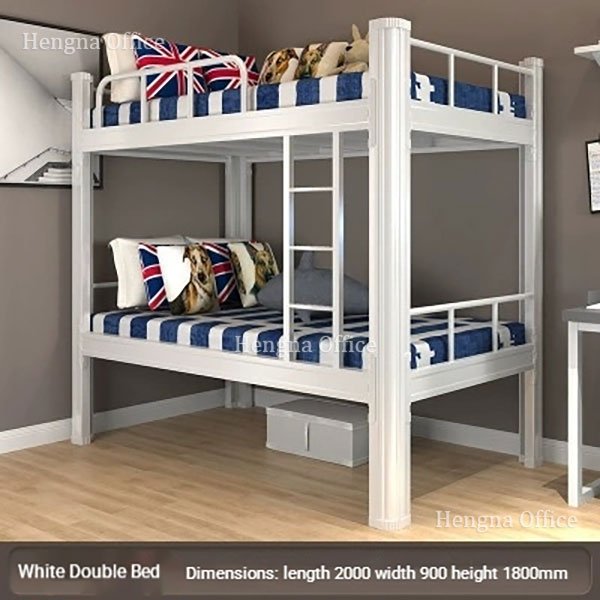
Assembled dimensions: 2000mm x 900mm x 1800mm Folded dimensions: 900mm x 450mm x 150mm Weight per unit: 35kg Load capacity: upper bunk 150kg, lower bunk 200kg Guardrail height: 45cm Ladder angle: 30 degrees Fire rating: B1 Frame material: high-strength welded steel Finish: corrosion-resistant powder coating Assembly time: 15 minutes per unit Assembly crew: one person Tools required: none Lifespan: 5+ years of repeated deployment
Why Choose These Beds
If you run emergency shelter operations, you need beds that go up fast, do not fall apart, and keep people safe. These do that. Fifteen minutes. One person. No tools.
Designed from real feedback from disaster response teams. Built to survive repeated deployments. Tested in actual earthquake and flood conditions.
Contact us for specifications, bulk pricing, and worldwide shipping.